SPORTS UPDATE
FINAL VIL 0 ESP 1ARCHIVED · 12:30 GMT CFC – MUN ARCHIVED · 15:00 GMT MCI – BRI ARCHIVED · 17:30 GMT TOT – CRY PAST EVENT · NOV 1 16:30 GMT LFC – ARS PAST EVENT · NOV 1 16:15 CET RAC – RMA ARCHIVED · 21:00 CET BAR – ALA FINAL VIL 0 ESP 1ARCHIVED · 12:30 GMT CFC – MUN ARCHIVED · 15:00 GMT MCI – BRI ARCHIVED · 17:30 GMT TOT – CRY PAST EVENT · NOV 1 16:30 GMT LFC – ARS PAST EVENT · NOV 1 16:15 CET RAC – RMA ARCHIVED · 21:00 CET BAR – ALA
ODARO emblemODAROSPORT NEWS
OUR JOURNEY · SINCE 1997

FROM ONE DREAM TO THE WORLD OF SPORT

The story of ODARO Group and the journey behind ODARO Sport News—from the streets of Nigeria to an international sports media vision.

OUR STORY

One dream. A world of sport.

ODARO Group is an international, sports-focused company operating since 1997. Across multiple digital platforms, we bring sports stories, experiences and communities together. ODARO Sport News is our dedicated editorial news website.

CHAPTER 01 / 10

The Beginning on the Streets of Nigeria

Our story began in Nigeria, on a street where children gathered to play football. They drew their own boundaries, marked the goals with whatever they could find, and one ball was enough to bring everyone together for an entire afternoon. For one of those children, football became the most eagerly awaited part of every day. He played, watched his friends move, remembered beautiful goals and talked endlessly about every match. Even after the game ended, the football continued in conversation: who had played best, which pass changed everything, and who might win next time. It was there that the passion which would one day become ODARO Sport News first took shape. Sport had the power to bring people together, even in the smallest street games.
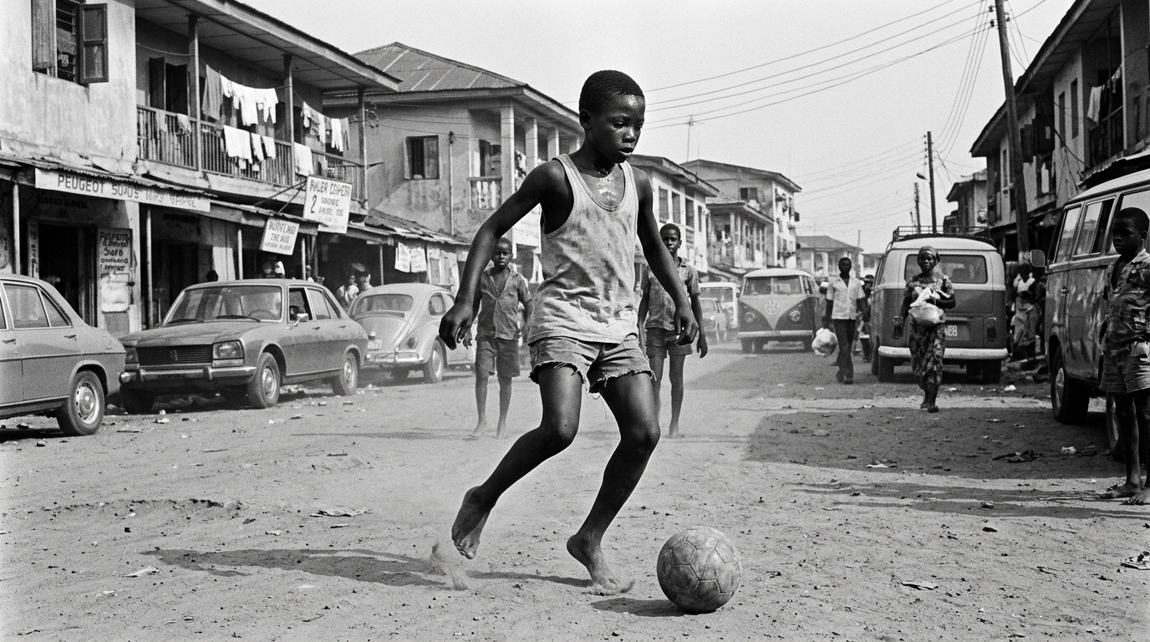
Illustrative scene: The Beginning on the Streets of Nigeria
The Beginning on the Streets of Nigeria · Story illustration
CHAPTER 02 / 10

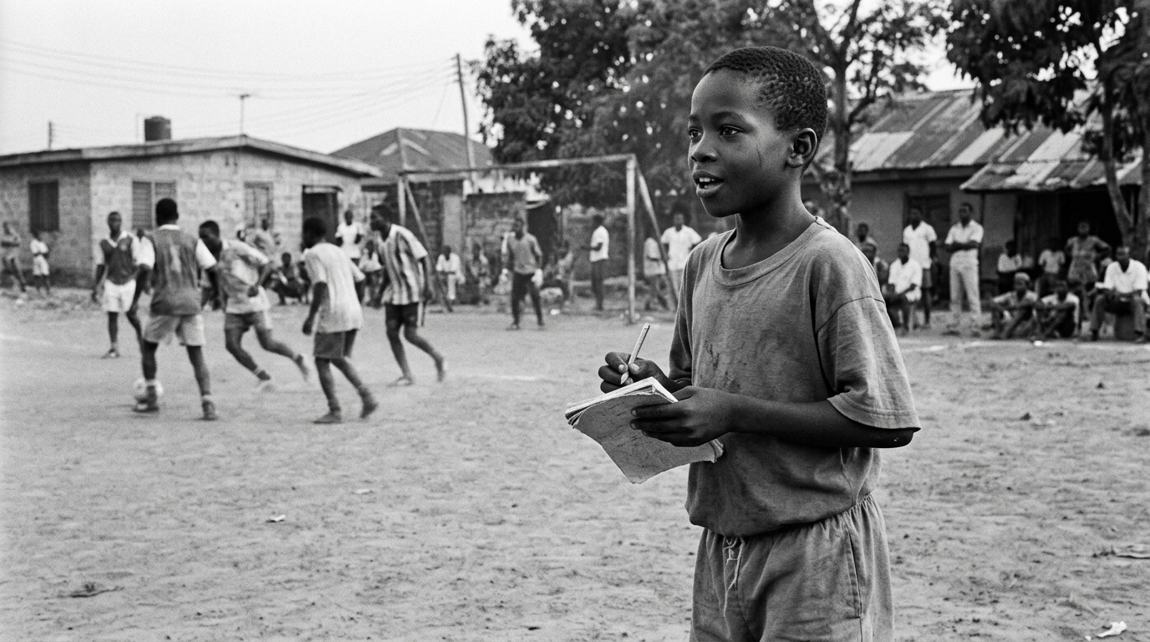
The First Notes from the Touchline

Over time, the desire to play was joined by a desire to understand the game and tell its stories. He began standing beside the pitch with a small notebook and pencil, recording scores, players’ names, important moments and details that others sometimes overlooked. He wanted to know why one team won, how the game changed after a goal, and what the defeated goalkeeper felt. Every match raised new questions, and the notebook gradually filled with stories. There was no newsroom or publication plan yet—just a child learning to observe carefully, listen and put what he saw into words. The first habits of a future journalist were formed there, beside the pitch.

Illustrative scene: The First Notes from the Touchline
The First Notes from the Touchline · Story illustration
CHAPTER 03 / 10

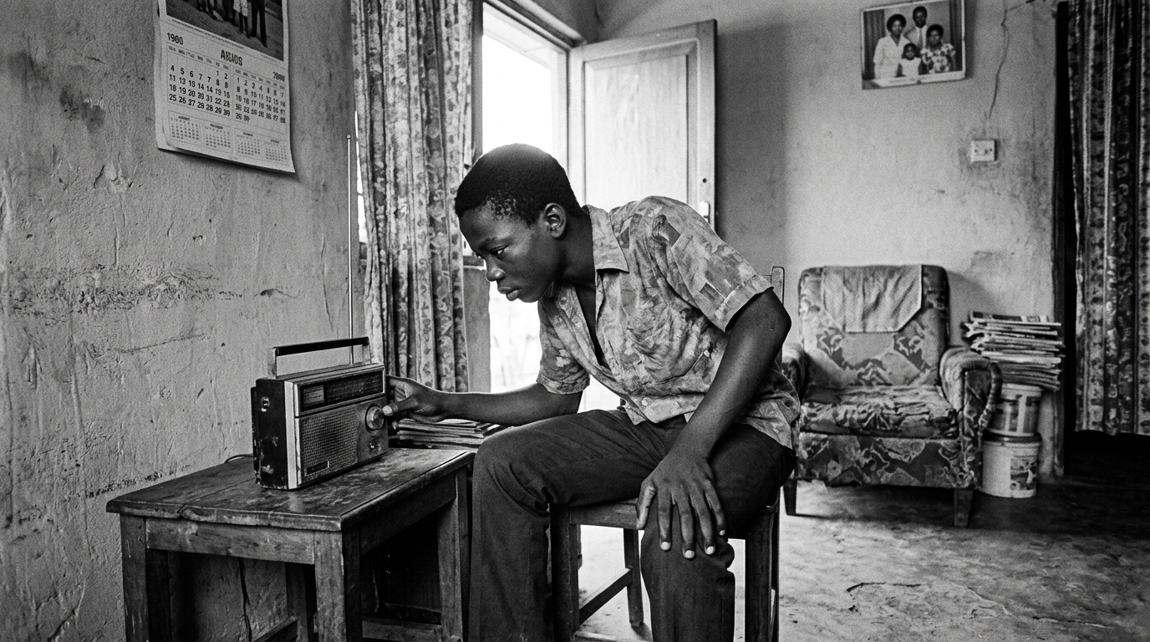
A Wider World Through the Radio

As he grew older, he discovered matches he could not attend in person. Radio brought distant stadiums into his home: the excitement of commentators, the roar of crowds, the anticipation of a goal and the tension of the final minutes. He listened closely to the way broadcasters described the action. Through sound and words alone, they helped listeners imagine an entire football field. It was an important discovery: a good storyteller can make people feel part of an event taking place thousands of kilometres away. His love of local football became a wider curiosity about teams, competitions and athletes around the world. He dreamed that one day he too would become one of the voices carrying those stories to people.

Illustrative scene: A Wider World Through the Radio
A Wider World Through the Radio · Story illustration
CHAPTER 04 / 10

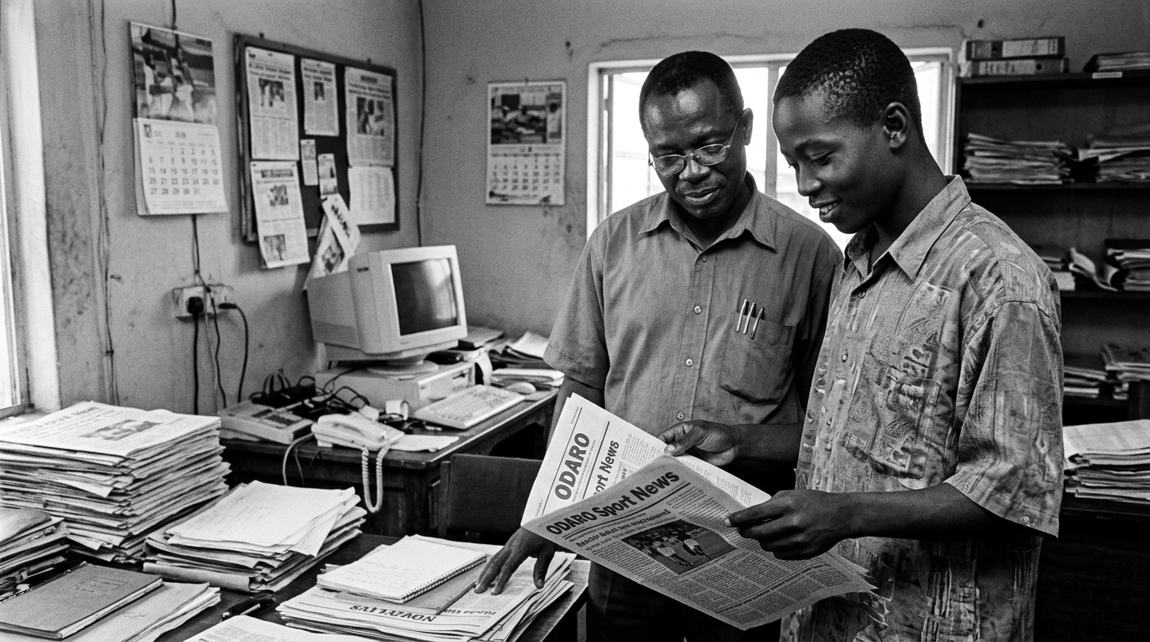
Our First Publication

In the early 2000s, the first article appeared in a newspaper. What had once been written in a private notebook and shared with friends could now be read by strangers. Holding that printed page brought a new sense of responsibility. Every name, score and description had to be right. Readers had not seen the work behind the story; they placed their trust in the words before them. That trust had to be earned. Editorial feedback, rewritten sentences and fact-checking became part of the learning process. The first publication showed that passion could become a profession. The idea of ODARO Sport News was beginning to take visible form on printed pages.

Illustrative scene: Our First Publication
Our First Publication · Story illustration
CHAPTER 05 / 10

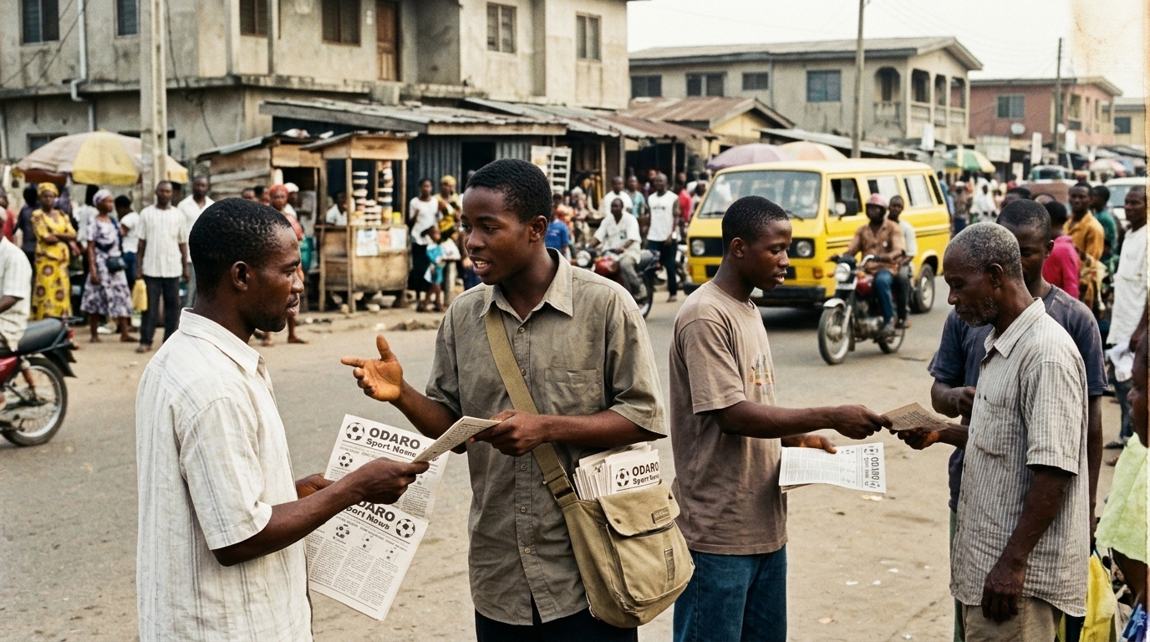
Meeting Our First Readers Face to Face

The next step was bringing our stories to more people. We prepared leaflets with sports news and handed them out ourselves on the streets, near shops, to passers-by and to people gathered to talk about football. That work connected us directly with readers. We saw which headlines caught attention, which matches people discussed and what information they wanted. Some stopped to talk for a few minutes; others asked about the next issue. Every encounter helped us understand our audience, write more clearly and choose stories that answered real questions. Our first community grew from those personal connections—one leaflet, one conversation and one reader waiting for the next publication.

Illustrative scene: Meeting Our First Readers Face to Face
Meeting Our First Readers Face to Face · Story illustration
CHAPTER 06 / 10

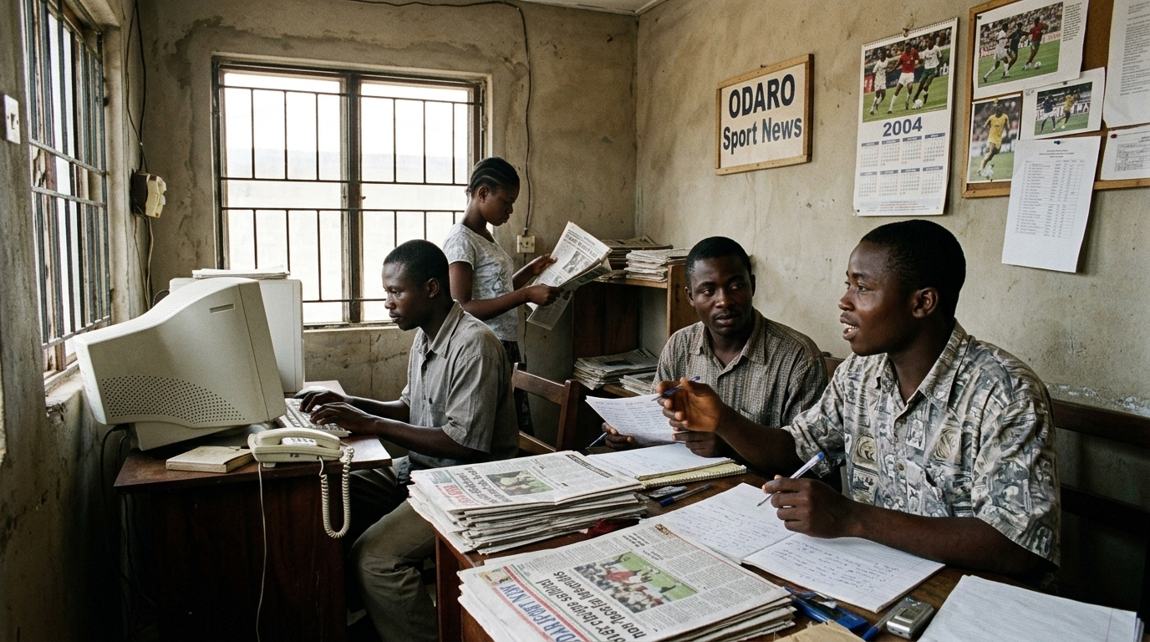
2004: Our First Office

In 2004, we opened our first small office. A few desks, computers, a telephone, stacks of newspapers and a team ready to build ODARO Sport News together filled the room. Having an office changed how we worked. We could plan stories together, assign tasks, discuss headlines and prepare upcoming publications. One person gathered information, another wrote, and a third edited and checked the finished piece. Resources were limited, and we handled many jobs ourselves. We learned to work in an organized way and rely on one another. That small room became the place where an individual initiative turned into a shared endeavour with responsibilities, routines and plans for the future.

Illustrative scene: 2004: Our First Office
2004: Our First Office · Story illustration
CHAPTER 07 / 10

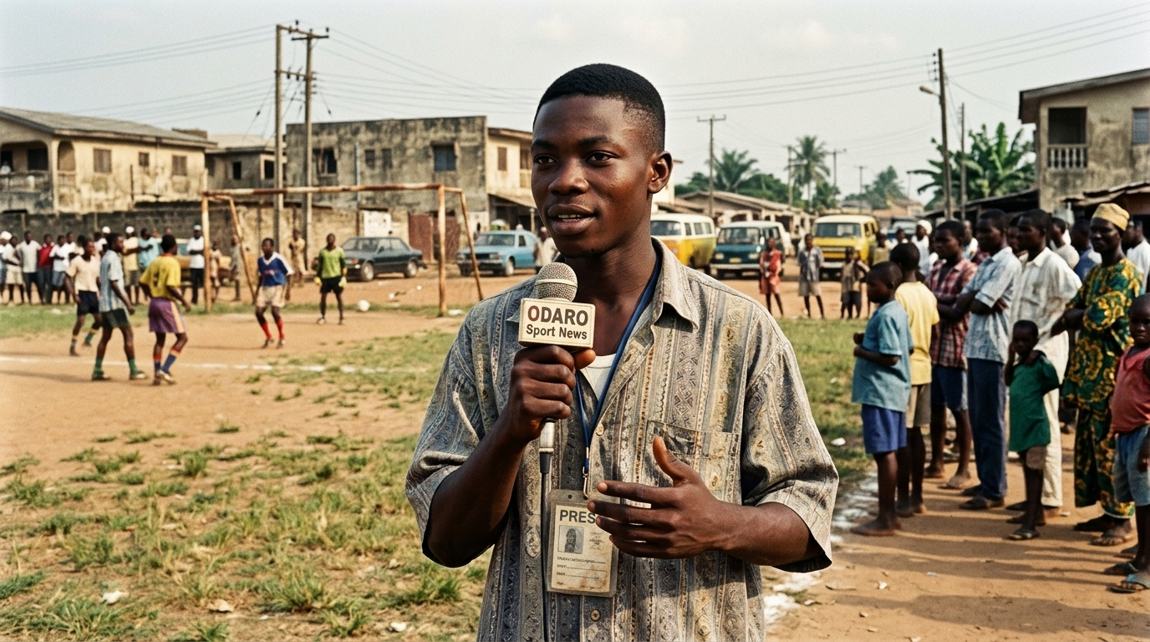
Our Place Beside the Pitch

As our publishing work grew, being present at sporting events became increasingly important. We went to football grounds to watch matches with our own eyes, speak to participants and capture the atmosphere of the game. Behind the reporter holding a microphone stood an entire team. Each interview, note and commentary would become a story that helped readers or viewers better understand what had happened. Local matches taught us to think quickly, ask the right questions and listen carefully to the answers. We also paid attention to people who were not yet widely known. Their stories often held the same dedication and ambition from which our own journey had begun.

Illustrative scene: Our Place Beside the Pitch
Our Place Beside the Pitch · Story illustration
CHAPTER 08 / 10

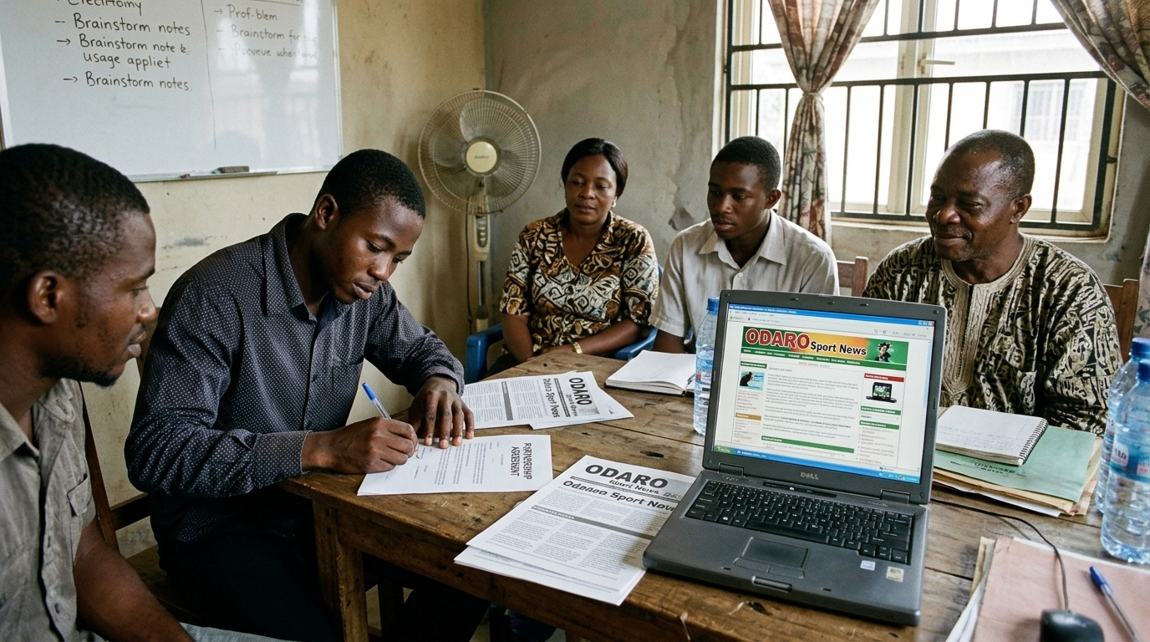
Partnerships and the Launch of Our Website

The next chapter was shaped by digital opportunities. Print had brought us our first readers; our own website could make our work available to a far wider audience. Agreements with partners laid the foundation for new collaborations and the development of the ODARO Sport News website. We combined our experience, ideas and resources to create a platform where sports fans could find news and return for the next story. The website also changed the pace of our work. We could publish more quickly, add new information and reach readers in different places. It was another period of learning: digital editing, website management and building relationships with an online audience.

Illustrative scene: Partnerships and the Launch of Our Website
Partnerships and the Launch of Our Website · Story illustration
CHAPTER 09 / 10

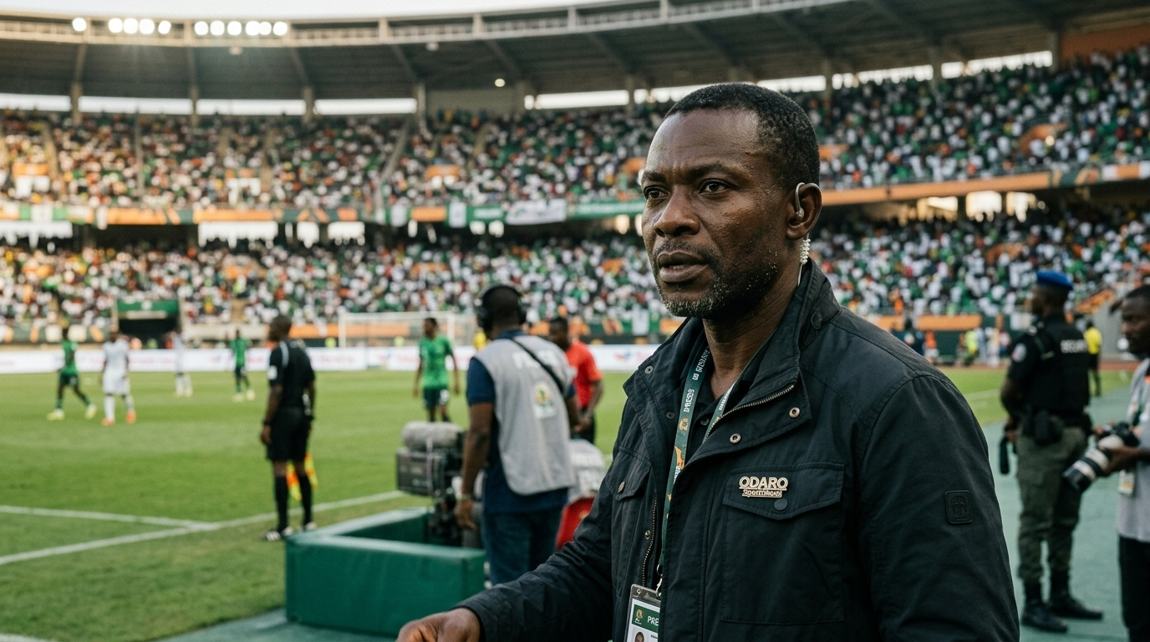
From Local Matches to Major Stadiums

Years of work opened new doors. Alongside small football grounds came major stadiums, matches attracting wider attention and new professional connections. Every new level brought higher expectations. Preparation, accuracy, speed and useful detail became more important than ever. Our audience was growing, and so was our responsibility. Standing in a major stadium brought back the memory of a child taking notes at a local match. The tools and scale of the work had changed, but curiosity about the game and its people continued to guide us.

Illustrative scene: From Local Matches to Major Stadiums
From Local Matches to Major Stadiums · Story illustration
CHAPTER 10 / 10

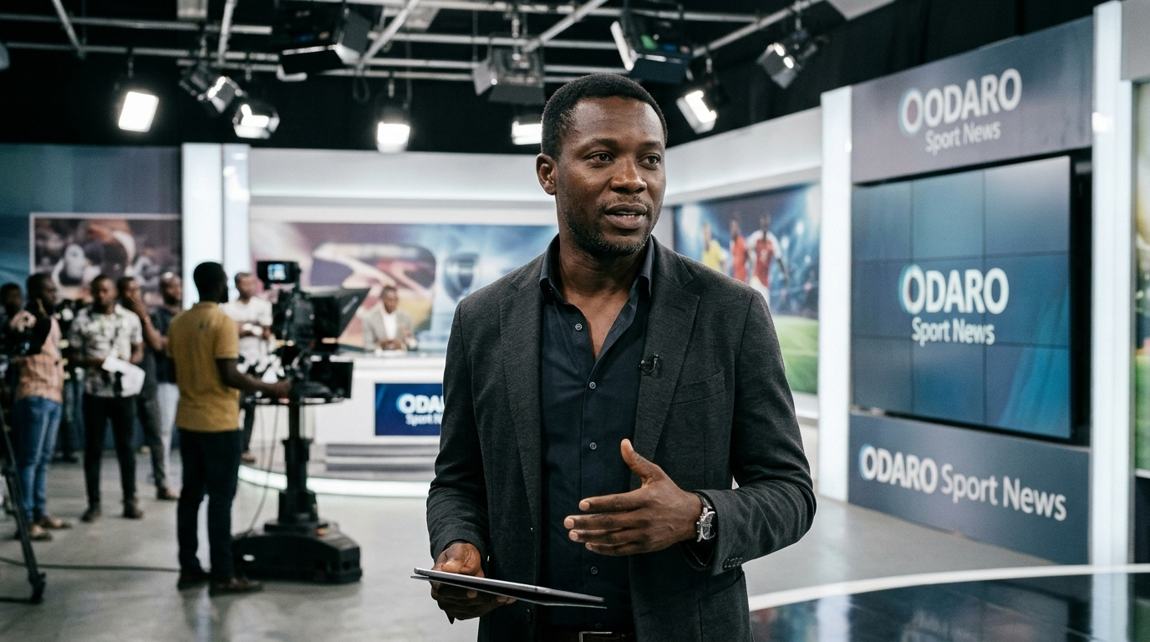
ODARO Sport News Today

Today, ODARO Sport News continues its story through digital platforms, sports content and live broadcasting projects. An idea born beside small football pitches in Nigeria has grown into an effort to connect sports fans living in different countries. ODARO Group is an international company focused on sport, operating since 1997 and developing a range of websites and digital projects. ODARO Sport News is the group's dedicated news and editorial platform. According to the company’s account, its platforms serve more than 100 million customers and its sports broadcasting services reach more than 100 countries. As the wider group has expanded, its portfolio has also included sports betting websites; this news publication has its own editorial purpose. Behind that scale is the everyday work of people gathering information, producing stories, maintaining technical systems and listening to audiences. Every new project carries us forward and calls for the same care that went into our first printed pages. Our history belongs to everyone who read those first leaflets, worked in the small office, joined the team or became a partner. And when we look ahead, we remember the child on the touchline trying to write down the most important moments of a game. Together, we continue the story that began with his curiosity.

Illustrative scene: ODARO Sport News Today
ODARO Sport News Today · Story illustration
ODARO SPORT NEWS

The game goes on. So does the story.